
Find Yourself Retreat
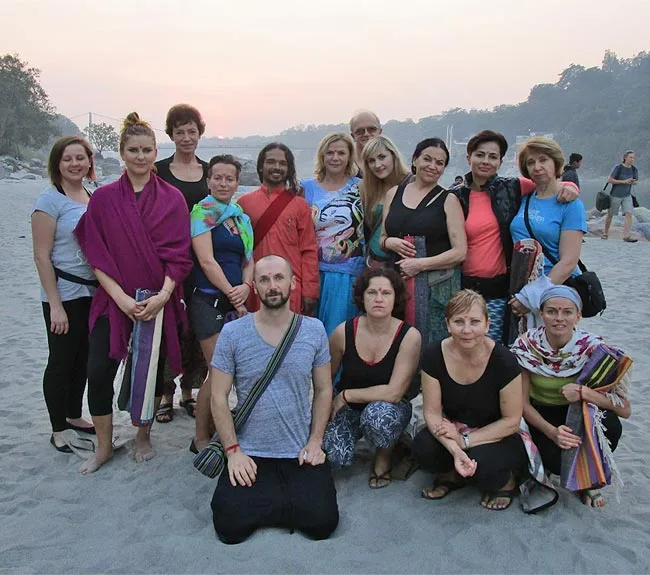
A Journey From Within
Find Yourself Retreats in Goa & Rishikesh
In the noise of everyday life, we often become disconnected from the most important person – ourselves.
Find Yourself Retreat is a journey inward, created to help you slow down, become present and reconnect with your true inner self. Through meditation, conscious breathing, silence, mindfulness and emotional healing practices, you will be given the space to step away from the outside world and explore the world within.
“Bliss of Breath” meditation – means experiencing deep peace, joy, and inner awareness through the natural rhythm of your breath. The word “Bliss” means a state of profound peace, happiness, and inner joy. “Breath” represents the life force that continuously connects the body, mind, and present moment.
Bliss of Breath Meditation is a meditation practice in which participants bring their attention to the natural flow of inhalation and exhalation. Instead of trying to control the breath, they learn to observe it with awareness, softness, and acceptance. As awareness becomes deeper, the breath can become a bridge between the body, mind, emotions, and inner awareness.
You are not here to become someone else… You are here to remember who you truly are.
A Typical Daily Schedule

What Is “Finding Yourself”?
Finding yourself is not about discovering a new personality or becoming perfect. It is about becoming aware of your thoughts, emotions, beliefs and patterns – and learning to observe yourself with greater acceptance and compassion.
As you become more present, you may begin to understand:
- What do I truly want?
- What is holding me back?
- What emotions am I carrying?
- What brings me peace?
During this retreat, you will explore
- Guided Meditation
- Mindfulness & Self-Awareness
- Breathwork & Conscious Breathing
- Yoga Nidra & Deep Relaxation
- Chakra Meditation
- Emotional Release Practices
- Inner Peace & Self-Love Meditation
- Silence & Nature Meditation
- Journaling & Self-Reflection
- Conscious Living Practices
Benefits of the Retreat
The retreat may help you:
- Develop deeper self-awareness
- Experience greater inner calm
- Release accumulated emotional stress
- Improve focus and mental clarity
- Connect with your emotions
- Develop self-acceptance
- Create a deeper connection with yourself
- Rediscover your inner strength
- Develop a regular meditation practice
Who Is This Retreat For?
Find Yourself Retreat is for anyone who feels the need to pause and reconnect with themselves.
It can be especially meaningful for people who:
- Feel mentally or emotionally overwhelmed
- Are going through a period of change
- Want to understand themselves more deeply
- Feel disconnected from their inner self
- Want to develop meditation and mindfulness
- Are seeking more peace, clarity and balance in life
No previous meditation experience is required.
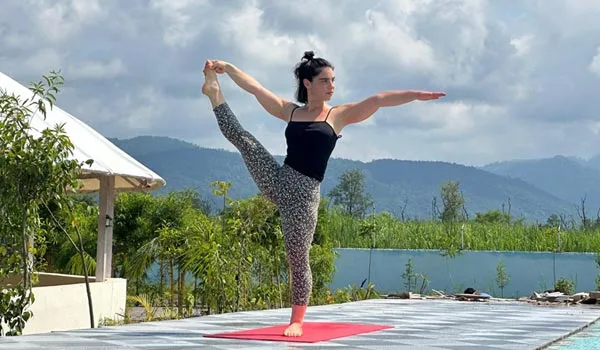
Asanas
ताड़ासन (Tadasana)
वृक्षासन (Vrikshasana)
त्रिकोणासन (Trikonasana)
परिवृत्त त्रिकोणासन (Parivrtta Trikonasana)
वीरभद्रासन-1 (Virabhadrasana I)
वीरभद्रासन-2 (Virabhadrasana II)
वीरभद्रासन-3 (Virabhadrasana III)
उत्कटासन (Utkatasana)
गरुड़ासन (Garudasana)
अर्धचंद्रासन (Ardha Chandrasana)
पदहस्तासन (Padahastasana)
पादांगुष्ठासन (Padangusthasana)
पश्चिमोत्तानासन (Paschimottanasana)
पूर्वोत्तानासन (Purvottanasana)
जानुशीर्षासन (Janu Sirsasana)
अर्ध मत्स्येंद्रासन (Ardha Matsyendrasana)
वज्रासन (Vajrasana)
बालासन (Balasana)
भुजंगासन (Bhujangasana)
शलभासन (Shalabhasana)
धनुरासन (Dhanurasana)
मकरासन (Makarasana)
उष्ट्रासन (Ustrasana)
सेतुबंधासन (Setu Bandhasana)
चक्रासन (Chakrasana)
मत्स्यासन (Matsyasana)
हलासन (Halasana)
सर्वांगासन (Sarvangasana)
शीर्षासन (Sirsasana)
पद्मासन (Padmasana)
सिद्धासन (Siddhasana)
सुखासन (Sukhasana)
गोमुखासन (Gomukhasana)
बद्ध कोणासन (Baddha Konasana)
उपविष्ठ कोणासन (Upavistha Konasana)
मंडूकासन (Mandukasana)
शशांकासन (Shashankasana)
सिंहासन (Simhasana)
नौकासन (Navasana)
पवनमुक्तासन (Pawanmuktasana)
उत्तानपादासन (Uttanpadasana)
सुप्त मत्स्येंद्रासन (Supta Matsyendrasana)
सुप्त बद्ध कोणासन (Supta Baddha Konasana)
अर्ध हलासन (Ardha Halasana)
कूर्मासन (Kurmasana)
मयूरासन (Mayurasana)
बकासन (Bakasana)
काकासन (Kakasana)
गरुड़ासन (Garudasana)
शवासन (Shavasana)
Pranayama
नाड़ी शोधन प्राणायाम (Nadi Shodhana)
अनुलोम विलोम प्राणायाम (Anulom Vilom)
भस्त्रिका प्राणायाम (Bhastrika)
कपालभाति प्राणायाम (Kapalabhati)
भ्रामरी प्राणायाम (Bhramari)
उज्जायी प्राणायाम (Ujjayi)
शीतली प्राणायाम (Sheetali)
शीतकारी प्राणायाम (Sheetkari)
सूर्य भेदन प्राणायाम (Surya Bhedana)
चंद्र भेदन प्राणायाम (Chandra Bhedana)

Shatkarma
Practices: Jala Neti, Sutra Neti & Vamana Kriya
1. Jala Neti (Nasal Cleansing)
Jala Neti is a traditional yogic cleansing practice in which lukewarm saline water is gently passed through one nostril and allowed to flow out through the other.
Benefits traditionally associated with Jala Neti:
- Helps cleanse the nasal passages
- Supports comfortable nasal breathing
- Helps remove excess mucus and impurities
- May support better awareness of breathing
2. Sutra Neti (Thread/ Catheter Nasal Cleansing)
Sutra Neti is an advanced traditional yogic cleansing technique. A specially prepared soft thread or suitable catheter is carefully passed through the nasal passage under the guidance of a trained practitioner.
It is traditionally practiced to cleanse and stimulate the nasal passages and to support free nasal breathing.
Important: Sutra Neti is an advanced practice.
3. Vamana Kriya (Yogic Cleansing)
Vamana Kriya, also known in some yoga traditions as Kunjal Kriya, is a traditional cleansing practice involving drinking a prescribed amount of lukewarm saline water followed by voluntary expulsion of the water.
Traditionally, it is practiced as a cleansing technique for the upper digestive tract and is generally performed under expert supervision.
Jala Neti, Sutra Neti and Vamana Kriya are traditionally included among Shatkarma (six yogic cleansing practices). They are intended to prepare the body and respiratory/digestive systems for practices such as Pranayama, Meditation and deeper Yoga practice.
Ayurvedic Consultations
Vata, Pitta & Kapha
Ayurveda is a traditional Indian system of wellness that focuses on maintaining balance between the body, mind and lifestyle. Ayurvedic consultation traditionally considers three fundamental Doshas – Vata, Pitta and Kapha.
Vata Dosha
Vata is traditionally associated with air and space and governs movement in the body. When Vata is considered balanced, it is associated with:
- Natural movement and flexibility
- Good energy and creativity
- Balanced nervous-system activity
- Comfortable digestion and elimination
- An Ayurvedic consultation may consider factors such as irregular routine, excessive travel, stress, lack of sleep and dietary habits when assessing Vata.
Pitta Dosha
Pitta is traditionally associated with fire and water and is connected with transformation, metabolism and digestion. Balanced Pitta is traditionally associated with:
- Healthy digestion and metabolism
- Mental clarity and focus
- Good decision – making
- Natural enthusiasm and confidence
- Lifestyle factors such as excessive heat, very spicy foods, irregular eating and excessive stress may be considered during a consultation.
Kapha Dosha
Kapha is traditionally associated with earth and water and is connected with stability, structure and nourishment.
Balanced Kapha is traditionally associated with:
- Strength and stability
- Calmness and patience
- Good physical endurance
- Emotional steadiness
- An Ayurvedic consultation may consider factors such as sedentary lifestyle, heavy foods, excessive sleep and lack of physical activity.
What Happens in an Ayurvedic Consultation?
During a consultation, the practitioner traditionally looks at factors such as:
- Prakriti (individual constitution), Vikriti (current imbalance), digestion, appetite, sleep, lifestyle, daily routine, diet and mental/emotional patterns.
- Based on this assessment, personalized recommendations may include dietary habits, daily routine (Dinacharya), yoga, pranayama, meditation and other Ayurvedic wellness practices.